
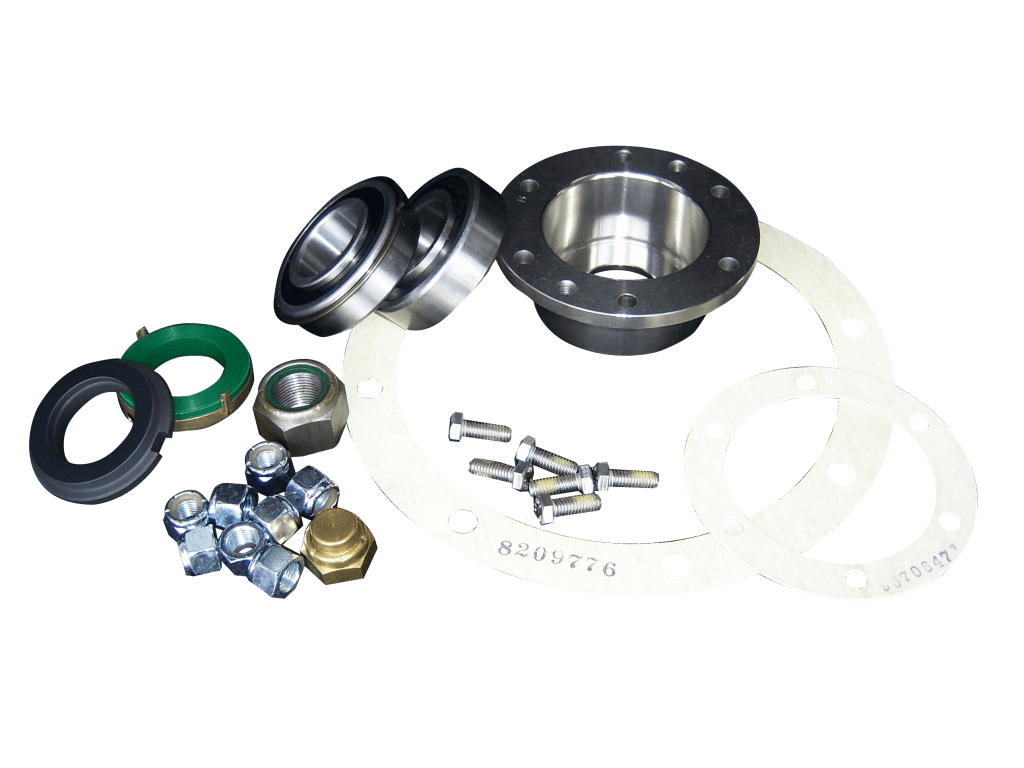
If you need genuine locomotive engine parts in Australia, the fastest safe path is to buy from a supplier that can prove the part’s origin, confirm compatibility against the locomotive build, and support the purchase with documentation before you place the order. The mistake most buyers make is treating “in stock” as the same thing as “correct and genuine”; those are not the same, and for locomotive repairs that difference can cost downtime, rework, and freight delays.
In my experience supplying parts in Australia, the best outcomes come from three checks: who manufactured it, what locomotive it fits, and what paperwork backs it up. If a supplier cannot answer those three clearly, the risk is usually too high.
Start with the part number, not the brand name
The first step is to identify the exact part number from the locomotive’s parts book, build sheet, or maintenance record. A generic request like “engine filter for a GE unit” is not enough, because the same engine family can use multiple revisions, superseded numbers, and region-specific variants.
What matters is:
- the OEM part number
- the locomotive model
- the engine model
- any supersession or revision history
- whether the part is for a new install, replacement, or urgent breakdown job
If you skip this step, you may get a part that looks right but does not match the revision, sealing interface, electrical spec, or mounting pattern.
Buy from suppliers who can prove traceability
A genuine supplier should be able to show where the part came from and how it was handled. That proof can include:
- OEM invoice or distributor paperwork
- serial or batch traceability
- packing labels matching the part number
- warranty terms
- documented interchange information
- evidence the part came through an authorized or established supply channel
For locomotive engine parts, “genuine” should mean more than “not counterfeit.” It should mean the part is correctly sourced, correctly identified, and suitable for the machine it is going into.
Ask for compatibility confirmation in writing
One of the most important questions is whether the supplier will confirm compatibility in writing before shipment. A serious supplier should check:
- locomotive series
- engine family
- emissions or build variant
- part revision
- cross-reference status
- whether the part is OEM, OEM-equivalent, or aftermarket
This matters because two parts can carry similar descriptions but perform differently. The wrong injector, sensor, turbo component, gasket set, or electrical module can create a second outage instead of a repair.
Choose the right supply type for the job
Not every repair needs the same sourcing route.
- OEM parts are the safest choice when the customer needs exact specification and factory-backed fit.
- Authorized distributor stock is often the best balance of speed and confidence when OEM lead times are long.
- Aftermarket parts can be appropriate when they are engineered to spec and supported by proper documentation.
- Remanufactured or rebuilt parts can work for cost-sensitive programs, but only if the process and testing are clear.
The right answer depends on the customer’s risk tolerance, downtime pressure, and budget. The wrong approach is assuming the cheapest option is automatically the best value.
Check the supplier’s stock position, not just their website
Many suppliers can source locomotives parts globally, but that does not mean they can deliver quickly in Australia. Before you commit, confirm:
- whether the part is physically held in Australia
- which warehouse will ship it
- whether it is new, excess, or special-order
- the realistic dispatch timeframe
- interstate freight timing to the customer site
- whether the supplier can split shipment for urgent jobs
For rail buyers, lead time often matters as much as price. A part that is marginally cheaper but arrives too late is not a saving.
Make documentation part of the purchase, not an afterthought
If you want to avoid disputes later, request the documents before payment or dispatch. At minimum, ask for:
- part number confirmation
- description and revision
- origin or distributor details
- warranty terms
- packing list
- invoice description matching the order
- any test certificate or conformity statement if relevant
This is especially important for higher-value engine components and electrical items, where the cost of a wrong delivery is more than the part itself.
Watch for these warning signs
A supplier should be treated cautiously if they:
- refuse to confirm the part number
- only answer in brand-level terms
- cannot explain whether the item is OEM, aftermarket, or remanufactured
- will not provide traceability or invoice details
- push a substitute without showing the cross-reference
- cannot say where the part is shipping from
- avoid written confirmation of fitment
These are the signs that the offer is built around availability, not reliability.
What buyers in Australia should expect from a serious parts supplier
A serious locomotive engine parts supplier in Australia should be able to do more than quote a price. They should be able to:
- source across OEM and approved supply channels
- identify correct parts from technical details
- support urgent freight across states
- provide documentation that backs up the sale
- supply parts for common locomotive families without guesswork
- respond quickly when downtime is costing money
That is the standard buyers should demand if they want a genuine part and not just a shipment.
If you are buying for a repair program
Use this simple sequence:
- identify the exact part number
- confirm the locomotive and engine model
- ask whether the part is OEM, authorized, aftermarket, or remanufactured
- request traceability and paperwork
- confirm Australian stock and dispatch timing
- place the order only after fitment is confirmed
You can check some of the trusted suppliers of locomotive spares to Australia here – Mikura International
Leave a Reply
You must be logged in to post a comment.